
- Understanding Complex Dream Landscapes
- How Dream Symbols Interact With Each Other
- Prioritizing Symbols in a Dream
- Common Symbol Combinations and Their Meanings
- A Step by Step Method for Interpreting Multiple Symbols
- Advanced Techniques for Symbol Analysis
- Frequently Asked Questions
Have you ever had a dream filled with so many symbols, characters and events that you felt overwhelmed trying to make sense of it all? Complex dreams with multiple symbols can be challenging to interpret, but they also offer some of the richest opportunities for self-understanding. Learning how to work with multiple dream symbols at once is a skill that can dramatically improve your ability to extract meaningful insights from your dream life. Understanding how to interpret dreams with many elements is essential for this process.
In this comprehensive guide, we will teach you a systematic approach to interpreting dreams that contain many different symbols and elements. You will learn how to identify which symbols are most important, how symbols interact with each other and how to weave them together into a coherent message. Whether you are a beginner or have some experience with dream interpretation, the techniques in this guide will help you navigate even the most complex dream landscapes with confidence.
Understanding Complex Dream Landscapes
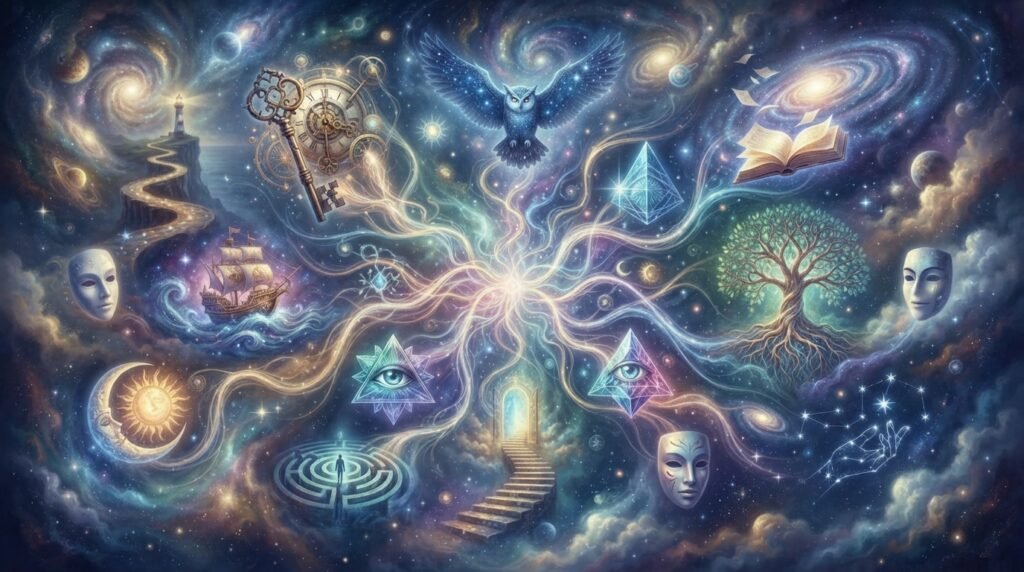
Complex dreams are those that contain multiple distinct symbols, settings, characters and events. Unlike simple dreams that focus on a single theme or symbol, complex dreams present a richer tapestry of imagery that can seem chaotic or confusing at first glance. However, this complexity is not random. Your subconscious mind constructs these elaborate dream scenes for specific reasons and learning to decode them can reveal profound insights.
Why Dreams Contain Multiple Symbols
Your subconscious mind often needs to communicate several related ideas or emotions simultaneously, especially during periods of stress, transition or growth. Rather than sending you multiple separate dreams, your mind may combine several symbols into a single, complex dream narrative. This allows your dreaming mind to create connections and relationships between different aspects of your life that you might not see while awake. The result is a dream that feels layered and multifaceted.
The Difference Between Symbols and Scenery
When interpreting complex dreams, it is important to distinguish between symbols that carry meaning and background scenery that sets the scene. Not every element in your dream is equally significant. Learning to identify which elements are symbols and which are simply context helps you focus your interpretation on what matters most. Symbols tend to stand out, evoke emotions or appear in unusual ways, while scenery provides the backdrop for the symbolic action.
The Role of Narrative Structure
Even in complex dreams with multiple dream symbols, there is usually a narrative thread that connects the various elements. This narrative structure can provide important clues about the overall message of your dream. Pay attention to how the dream begins, develops and ends. Changes in setting, mood or characters often signal transitions or shifts in your understanding. The narrative arc of your dream may mirror a process you are going through in your waking life.
How Dream Symbols Interact With Each Other
One of the most fascinating aspects of complex dreams is the way symbols interact with and influence each other. These interactions often carry as much meaning as the individual symbols themselves. Understanding these relationships is key to unlocking the full message of your dream.
Contrasting Symbols
When two symbols in a dream appear to contrast with each other, this often highlights a tension or conflict in your waking life. For example, a dream that combines images of water and fire might be pointing to a conflict between your emotional and passionate sides. Recognizing these contrasts helps you identify areas of your life where you may be experiencing opposing forces or competing desires.
Complementary Symbols
Conversely, some symbols in a dream work together to reinforce a single message. When symbols complement each other, they amplify the dream's overall meaning. For instance, if you dream of a snake moving through water, both symbols may relate to transformation and emotional healing, working together to emphasize a powerful process of change. To explore the deeper meaning of specific symbols, see our guide on snake dream meaning.
Transformation and Sequence
Sometimes symbols in a dream transform into other symbols or appear in a sequence that suggests progression or development. These transformations can be particularly meaningful, as they may represent psychological growth, changing perspectives or the evolution of a situation in your life. Pay close attention to moments when one symbol becomes another, as these transitions often mark key insights or turning points.
Prioritizing Symbols in a Dream
When a dream contains many symbols, knowing which ones to focus on first can make the interpretation process much more manageable. Not all symbols carry equal weight and learning to prioritize helps you extract the most important messages efficiently.
Identifying the Dominant Symbol
In most complex dreams, one symbol tends to dominate. This dominant symbol is usually the one that appears most frequently, occupies the most space or evokes the strongest emotion. Start your interpretation with this symbol, as it often represents the core message of your dream. The dominant symbol may set the tone for all other elements in the dream.
Emotional Charge and Symbol Importance
Symbols that evoke strong emotions, whether positive or negative, are typically more important than neutral ones. Your emotional response to a symbol is a direct indicator of its relevance to your current psychological state. A symbol that makes you feelæ惧, joy, sadness or excitement is communicating something significant that deserves your attention.
Recurring and Unusual Symbols
Pay special attention to symbols that appear repeatedly throughout the dream or that seem unusual or out of place. Recurring symbols often indicate persistent themes or concerns that your mind wants you to address. Unusual symbols, such as objects or creatures that do not normally belong together, may represent innovative solutions or perspectives that your subconscious is offering. For more on working with various symbol types, explore our guide on multiple dream symbols interpretation.
Common Symbol Combinations and Their Meanings
Certain symbol combinations appear frequently in dreams across cultures and individuals. While the specific meaning of any combination depends on your personal associations and life context, understanding these common patterns can provide a useful starting point for interpretation.
Water and Animals
Dreams that combine water and animals often relate to emotional instincts and primal feelings. The type of water, whether calm, rough or murky and the type of animal provide additional context. For example, a dream of swimming with dolphins might suggest harmony between your emotions and your natural instincts, while being chased by a predator in water could indicate that emotional turmoil is triggering survival fears. To learn more about water symbolism, see our article on water dream meaning.
Teeth and Loss Symbols
When dreams combine teeth imagery with symbols of loss or damage, they often address concerns about personal power, appearance or communication. Teeth falling out in conjunction with other loss symbols may amplify fears about losing control or being unable to express yourself effectively. These combinations are particularly common during periods of major life change or when self-image is being challenged. For a deeper exploration of teeth dreams, visit our detailed guide on teeth falling out dream meaning.
Houses and People
Dreams that feature houses along with various people often represent different aspects of your identity and relationships. Different rooms in a house may correspond to different areas of your life, while the people who appear may represent qualities you associate with them or aspects of yourself. When interpreting these dreams, consider what each person and room combination might symbolize about your current life situation and inner world.
A Step-by-Step Method for Interpreting Multiple Symbols
Having a structured approach to interpreting complex dreams makes the process less overwhelming and more productive. Follow these steps to systematically decode dreams with multiple dream symbols.
Step One: Record Everything
As soon as you wake up, write down every detail you can remember about your dream, no matter how small or insignificant it may seem. Include all symbols, people, settings, actions and emotions. Do not try to interpret at this stage. Simply capture the raw material of your dream. The more complete your record, the better your interpretation will be.
Step Two: Identify the Dominant Symbols
Review your dream record and identify the symbols that stand out most prominently. Look for symbols that appear frequently, evoke strong emotions or seem central to the dream's action. These are your primary symbols and should be the focus of your initial interpretation efforts.
Step Three: Explore Individual Symbol Meanings
Before trying to understand how symbols work together, take time to explore each dominant symbol individually. Consider what each symbol means to you personally, what cultural or universal associations it carries and how it relates to your current life circumstances. This individual analysis provides a foundation for understanding the dream's overall message.
Step Four: Examine Symbol Relationships
Once you have a sense of each symbol's individual meaning, look at how they relate to each other within the dream. Do they contrast, complement or transform into one another? What story do they tell when considered together? The relationships between symbols often reveal the dream's deeper message.
Step Five: Connect to Waking Life
The final and most important step is to connect your dream symbols and their relationships to your actual waking life experiences, concerns and emotions. Ask yourself what areas of your life the dream seems to be addressing and what advice or insights your subconscious might be offering. This connection to waking life is what makes dream interpretation truly meaningful and useful.
Advanced Techniques for Symbol Analysis
Once you are comfortable with basic interpretation, you can explore more advanced techniques for working with complex dream symbolism. These methods can help you access deeper layers of meaning and develop a more nuanced understanding of your dreams.
Amplification and Context Expansion
Amplification is a technique from Jungian psychology that involves expanding the meaning of a dream symbol by exploring its associations in mythology, religion, culture and personal experience. By considering a symbol in its broadest possible context, you can uncover layers of meaning that might not be apparent from a purely personal perspective. This technique is particularly useful for symbols that feel universally significant, as it connects your personal dream imagery to the collective human experience.
To practice amplification, choose a symbol from your dream and list all the associations you can think of. Include personal memories, cultural references, mythological stories and universal meanings. Then look for patterns and connections between these various layers of meaning. This expanded perspective often reveals that your dream is addressing issues that are both deeply personal and part of a larger human experience.
Dream Mapping and Visualization
Creating a visual map of your dream, either through drawing or detailed writing, can help you see patterns and relationships that might be missed in a purely verbal account. Try drawing the layout of your dream, marking where symbols appear and how they relate to each other spatially. This visual approach can reveal structural patterns that provide additional insight into the dream's message.
Working With Dream Characters
When your dream contains multiple characters, each one may represent a different aspect of your personality or a different perspective on a situation. Advanced interpretation involves dialoguing with these characters, either through journaling or visualization, to understand what they have to say. Each character may offer a unique viewpoint that, when integrated, provides a more complete understanding of your dream's message.
Frequently Asked Questions
How many symbols should I focus on when interpreting a complex dream?
Start with one to three dominant symbols that stand out most strongly in your dream. Trying to interpret every single element at once can be overwhelming and may dilute your focus. As you become more experienced, you can gradually incorporate more symbols into your analysis, but beginning with the most prominent ones will yield the clearest insights.
Can the same symbol mean different things in different dreams?
Yes, absolutely. While symbols often have general associations, their specific meaning depends on the context of the dream and your personal life situation. A snake in one dream might represent transformation, while in another it might symbolize a threatening person or situation. Always consider the context and your own feelings about the symbol when interpreting its meaning.
What if two symbols seem to contradict each other?
Contradictory symbols often point to internal conflicts or competing desires in your waking life. Rather than trying to resolve the contradiction, explore what each side represents and how both might be true simultaneously. Dreams often hold paradoxes and working with these contradictions can lead to deeper self-understanding and more nuanced perspectives on complex situations.
How do I know if I am over-interpreting my dreams?
Over-interpretation can occur when you assign meaning to every minor detail or when interpretations become overly complex and disconnected from your actual experience. Good interpretation should feel relevant and illuminating, not forced or far-fetched. If an interpretation does not resonate with you or connect to your waking life, it may not be the right one. Trust your intuition alongside your analytical efforts.
Should I interpret my dreams alone or with help?
Both approaches have value. Interpreting alone allows for personal reflection and intimacy with your dream material, while working with others can provide fresh perspectives and catch blind spots. Many people find that a combination works best, doing initial interpretation independently and then discussing their dreams with a trusted friend, therapist or dream group for additional insights.
Learning to interpret dreams with multiple dream symbols is a rewarding skill that deepens your connection to your subconscious mind. By understanding how symbols interact, prioritizing what matters most and following a systematic approach, you can extract rich, meaningful insights from even the most complex dream experiences. Remember that dream interpretation is both an art and a science and your understanding will deepen with practice and patience.
As you continue working with your dreams, trust your intuition and personal associations alongside any interpretive frameworks you learn. Your dreams are uniquely yours and the most meaningful interpretations will always be those that resonate with your own experience and feel true to your inner knowing. Keep a dream journal, keep exploring, keep questioning and let your dreams guide you toward greater self-understanding.